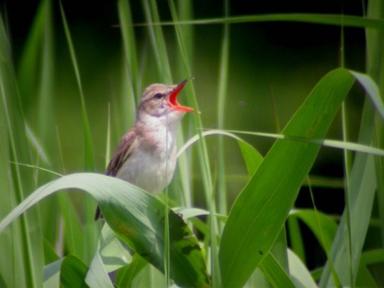
Midsummer: The Great Reed Warbler sings with tremendous chirping, “Gyo gyo shi! Gyo gyo shi!” Arriving in May from Southeast Asia to the Yatsu-higata, they form pairs and raise their young.
In September, they return to Southeast Asia.


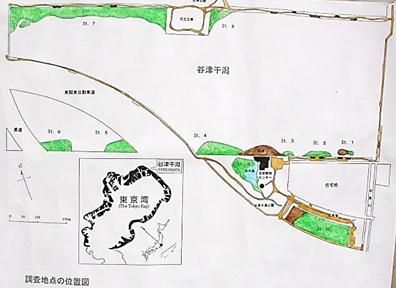
Reed beds of Yatsu-higata (green colored areas)
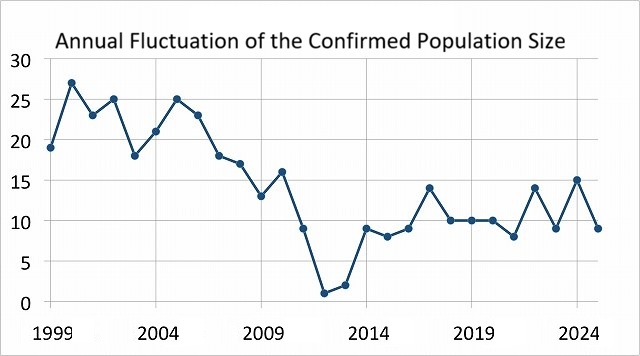
We have surveyed the number of these birds arriving at Yatsu-higata over a period of 24 years.



Five times between May and June, and at ten locations
in the reed beds of Yatsu-higata, survey is conducted simultaneously on the same day
and at the same time.
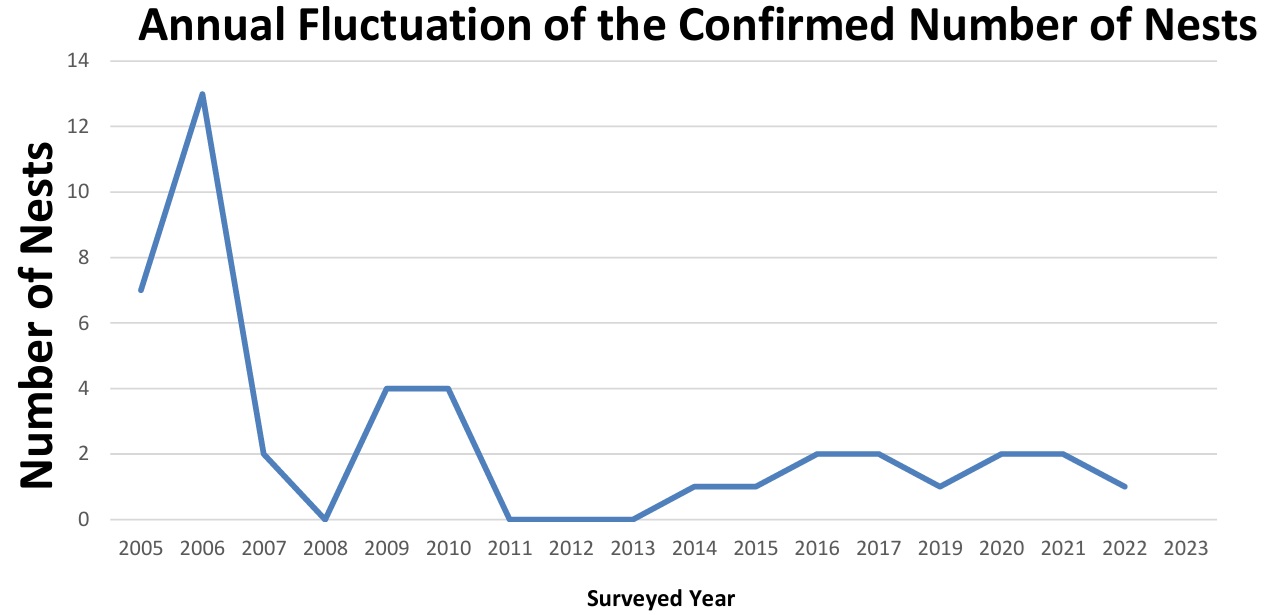
After the Great Reed Warblers leave Yatsu-higata, nesting survey (counting the number of nests) is conducted in September.


Scene from the nesting survey There's a nest!
Activity of the Great Reed Warbler Group
- Counting the Great Reed Warbler that fly into Yatsu-higata : May ~ June
- Investigating nesting (counting the number of nests) : September
- Panel Exibition introducing the Great Reed Warbler : April ~ July
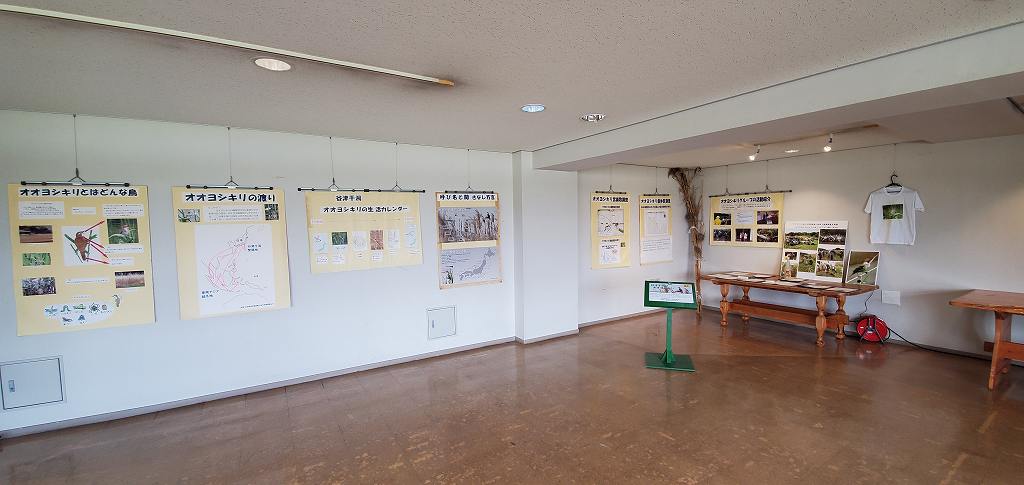
Panel Exibition
Haiku and the Great Reed Warbler
The Great Reed Warbler has long been cherished by the Japanese people for its appearance
and song. Its chirping has been celebrated as a summer seasonal word in haiku
since the time of Basho Matsuo.
Useless me, Sleepy me, But noisy chirping keeps me Awake Basho
Chirping bird, be quiet, the village is asleep Issa
Warbler field, there you live chirping bird Shiki


Our group deeply recognize the importance of continuing our surveys
and will continue to monitor the number of arrivals, the number of nests, and changes
in the reed beds.
We invite you to join the Great Reed Warbler Group and conduct the surveys with us.
We invite you to join the Great Reed Warbler Group and conduct the surveys with us.