Freshwater Pond Management
Freshwater Pond Management

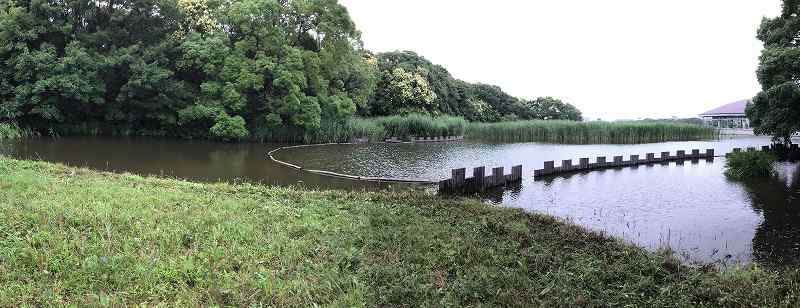
The Freshwater Pond was developed to attract land birds, increase the variety of wild birds in the park, and provide a resting place for waterfowl.
The pond adjacent to the Yatsu-higata Nature Observation Center, commonly known as "Freshwater Pond", is an artificial pond covering approximately 4,000 square meters, developed as part of Yatsu-higata Park.
Wild Birds found around the Freshwater Pond
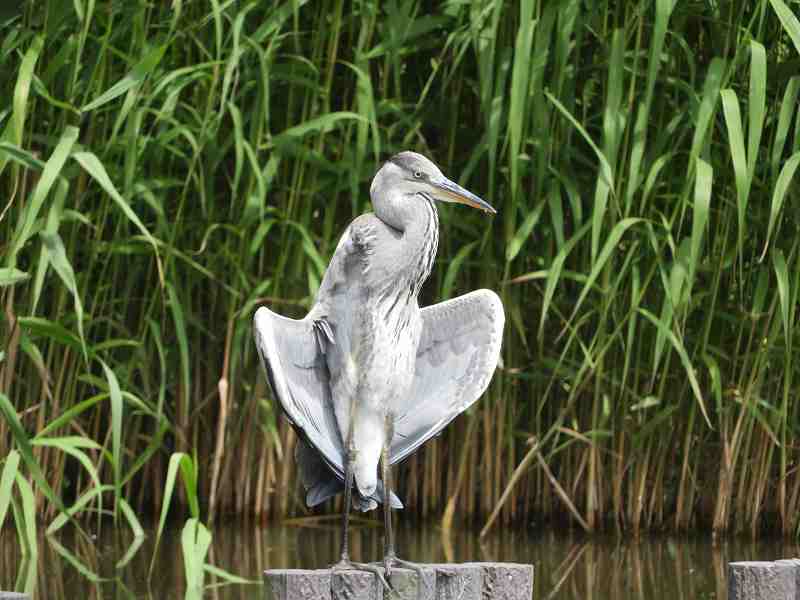
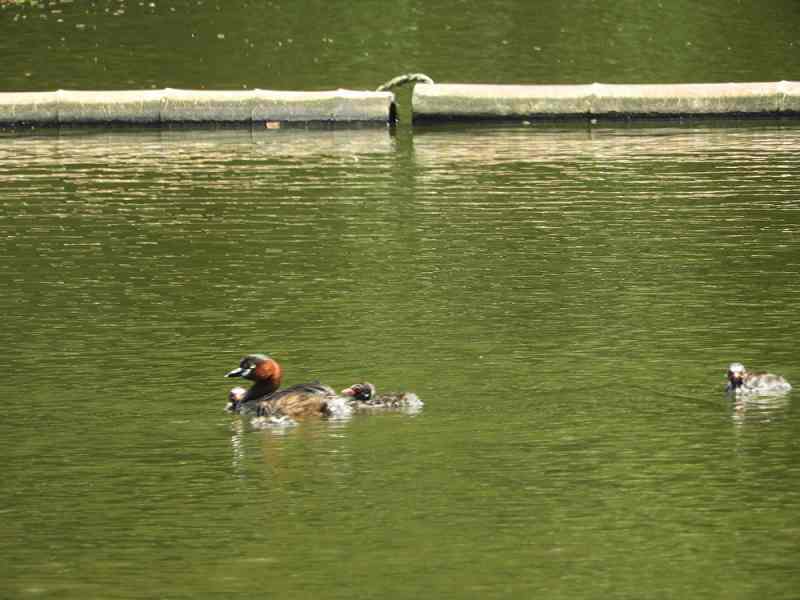
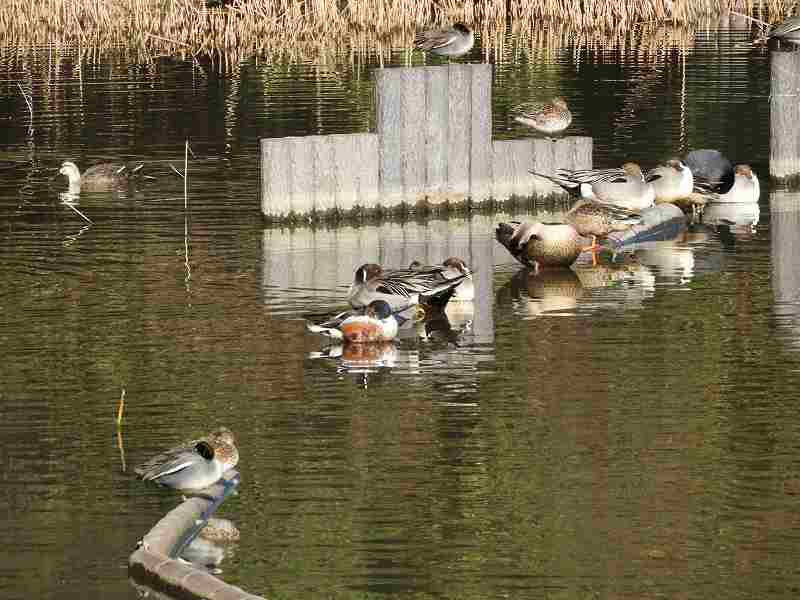
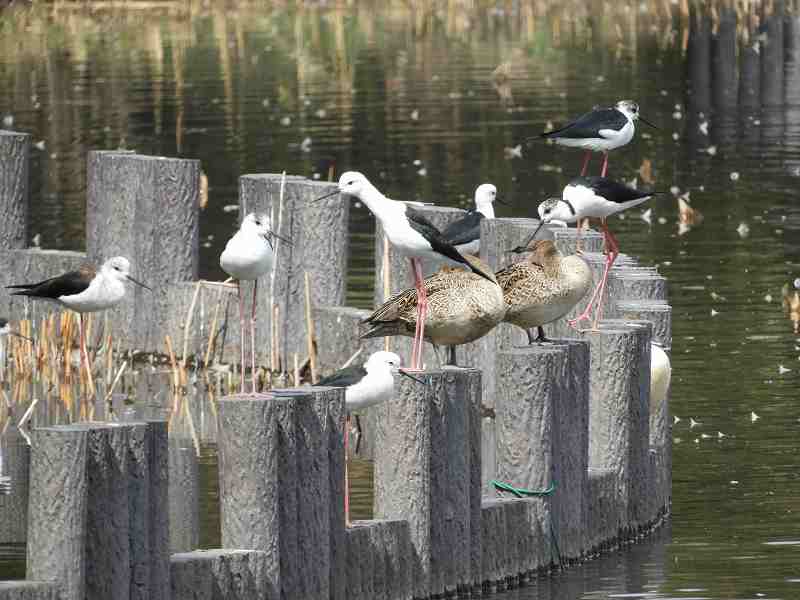
Many birds flock around the pond to rest, drink water and raise chicks. In spring time, Little Grebe, in winter time, several different types of Ducks, and around the year, Herons and other birds, including Brown-eared Bulbuls and Grey Starlings fly in.

Black-winged Stilt

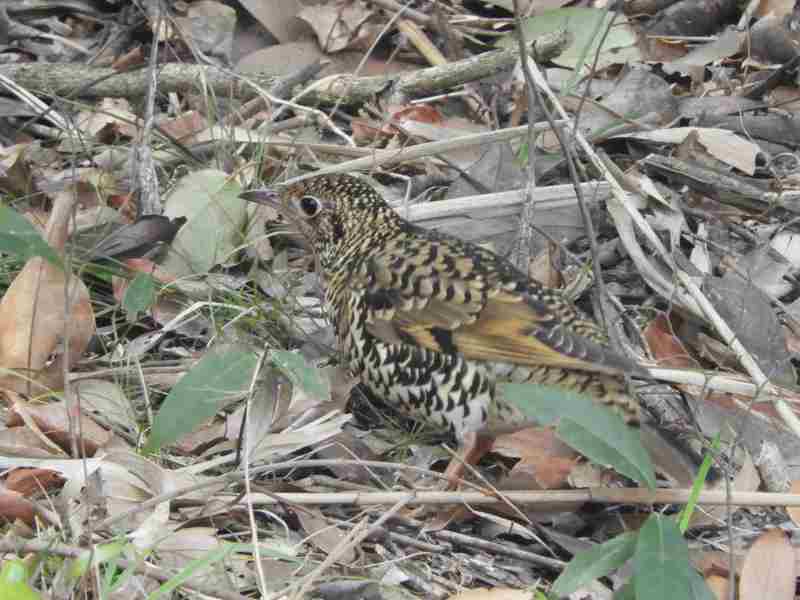
White's Thrush

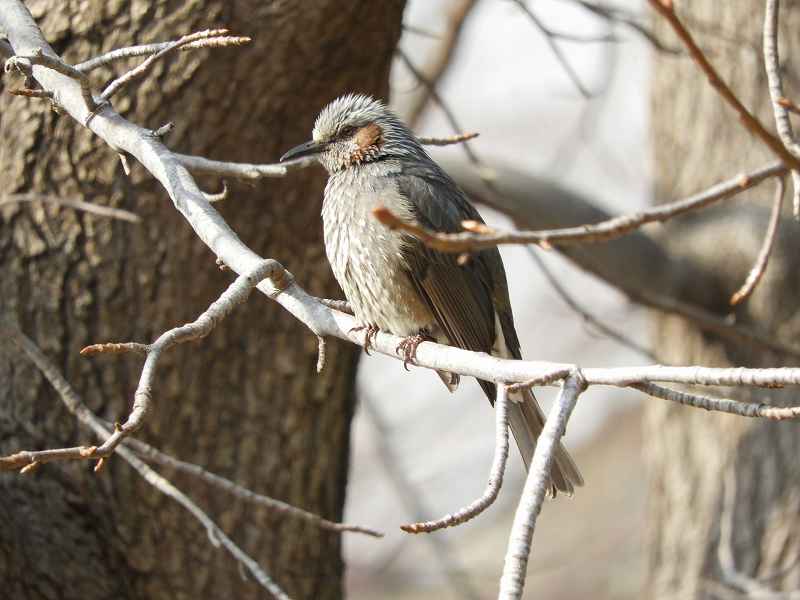
Brown-eared Bulbul

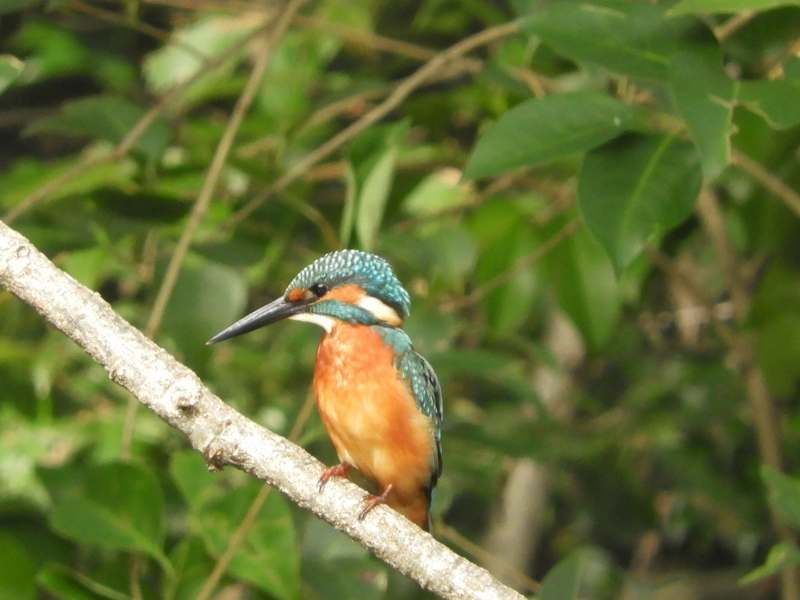
Common Kingfisher

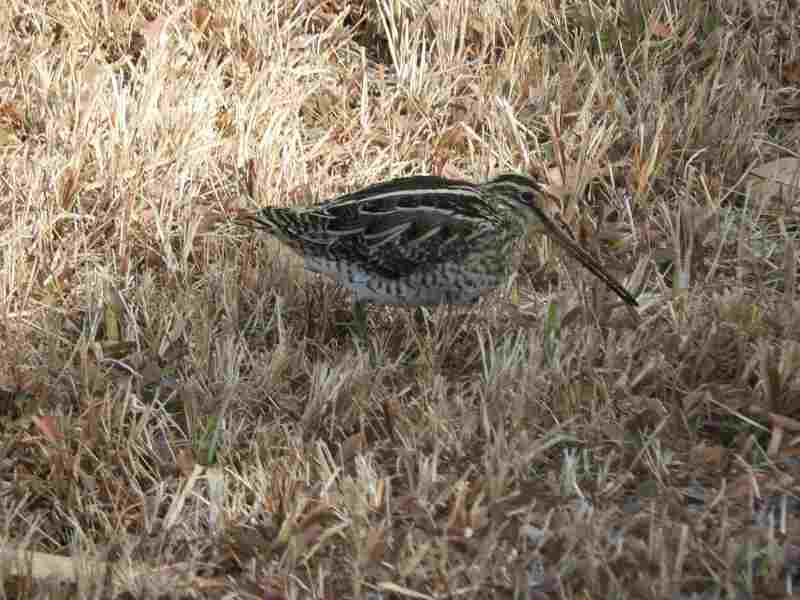
Common-Snipe

Grey-Heron

Little Grebe

Duck family

Plants and animals around the Freshwater Pond
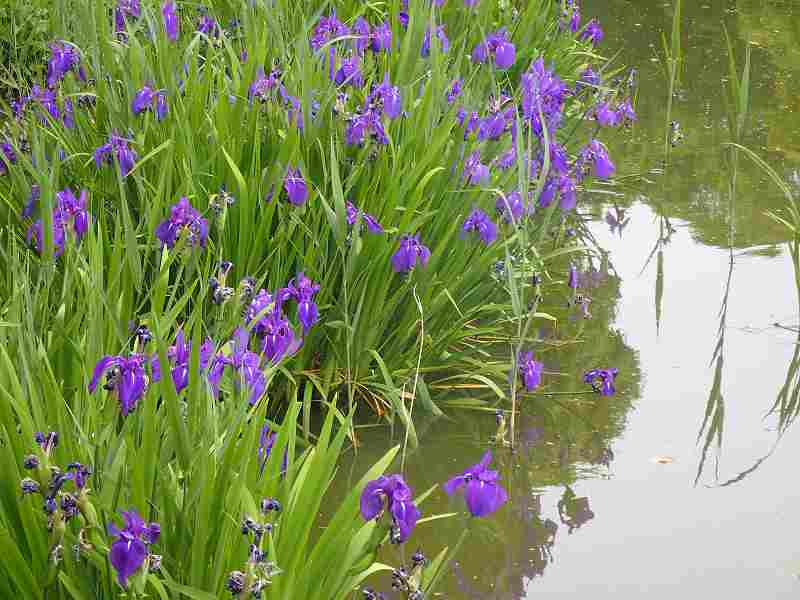
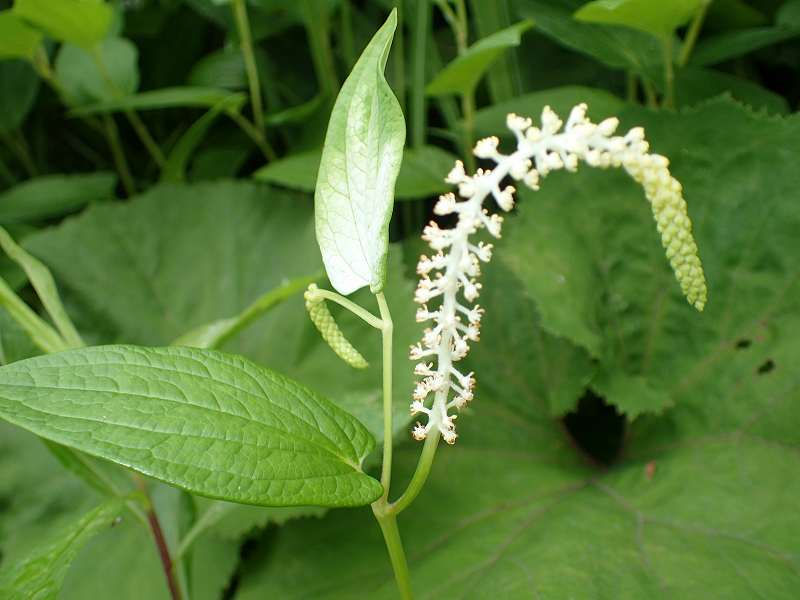
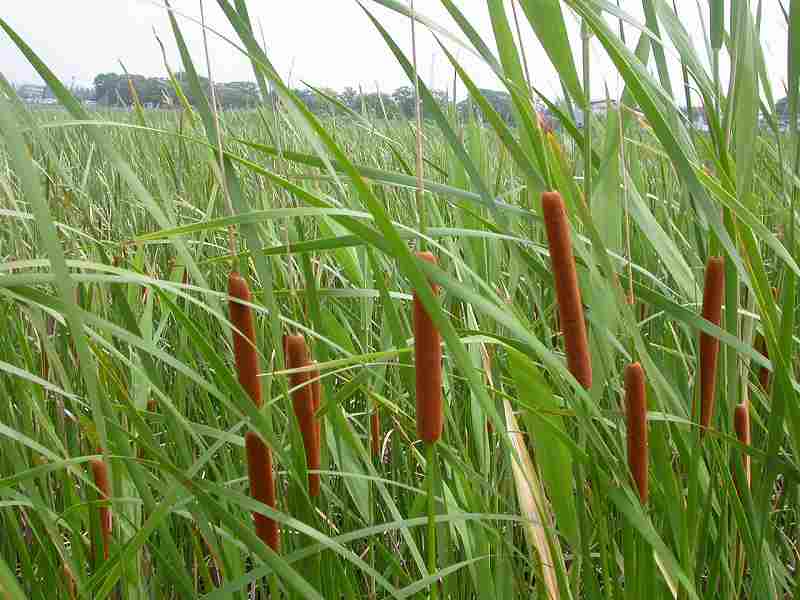
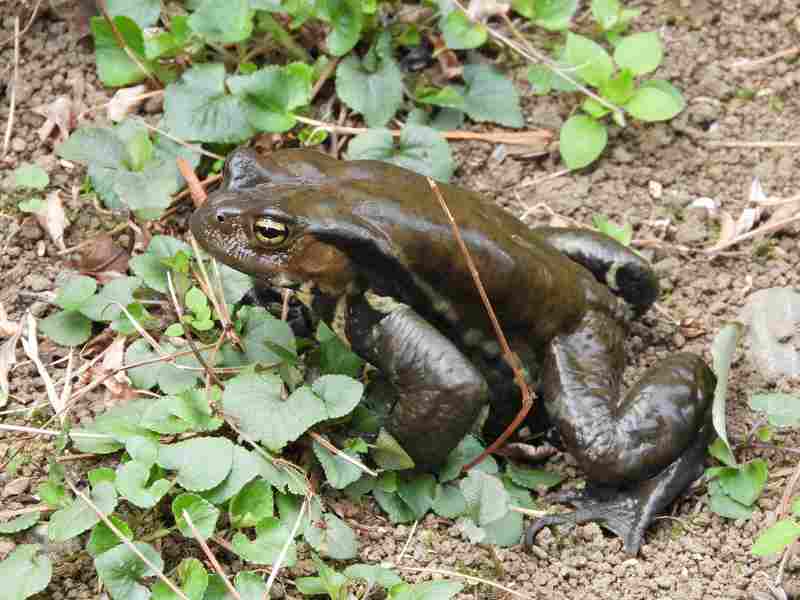
By the pond grows plants that prefer waterfront areas such as Reeds, Dwarf Sedge, Iris, Asian Lizard Tail. And also lives aquiatic insects such as the Grey Diving Beetle and Dragonfly Nymph or fish such as the Catfish, crustaceans such as Benkei Crab and American Crayfish, and Amphibians such as Azuma Toad.
Iris
Iris
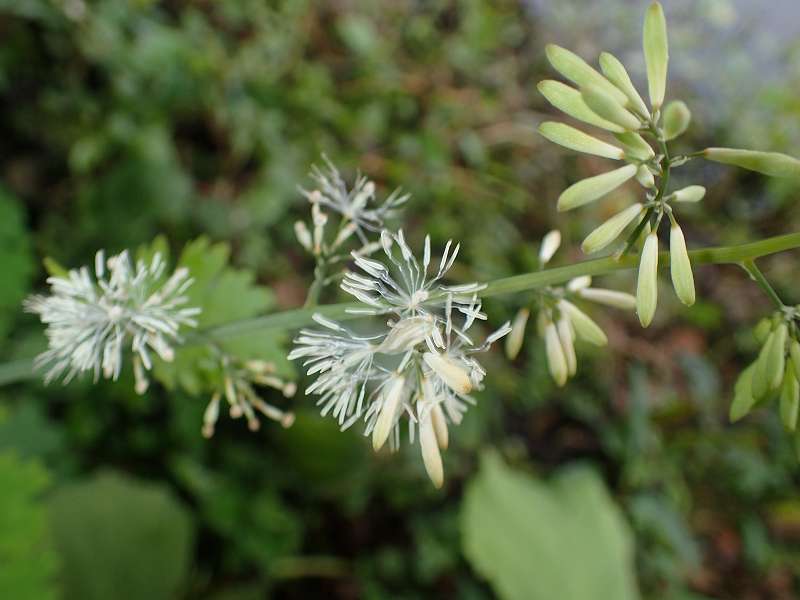
Houttuynia Cordata
Houttuynia Cordata
Bamboo Grass
Bamboo Grass
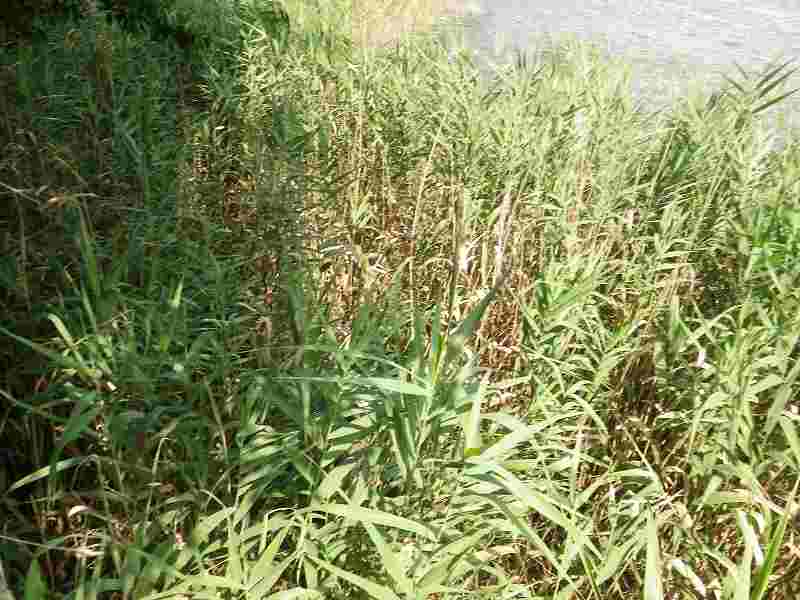
Reed
Reed
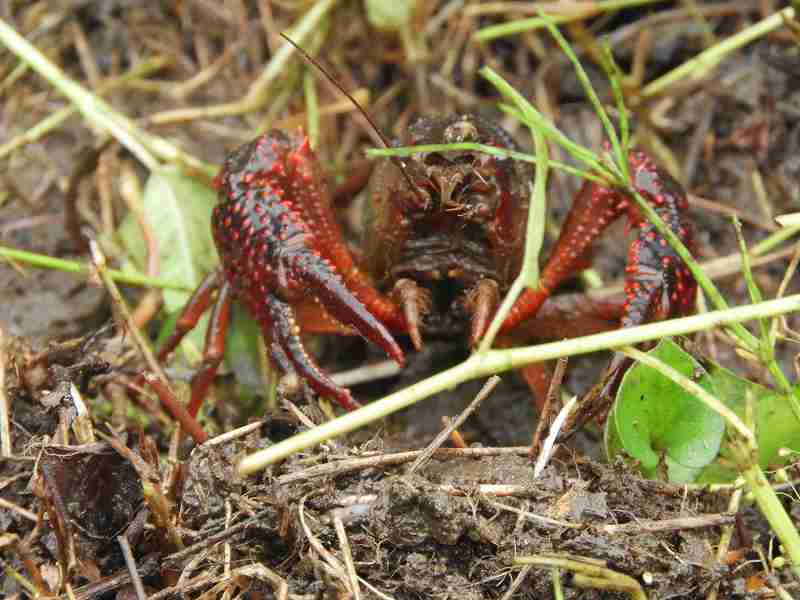
American Crayfish
American Crayfish
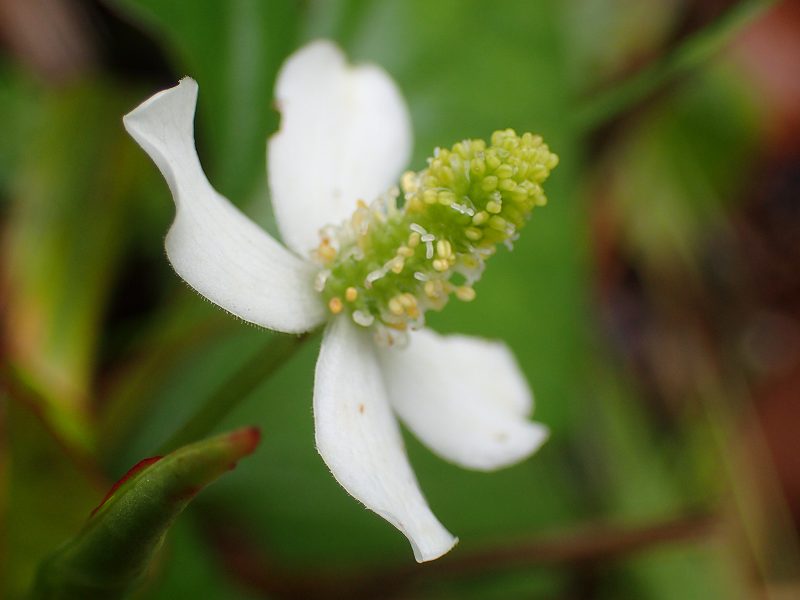
Asian Lizard Tail
Asian Lizard Tail
Dwarf Sedge
Dwarf Sedge
Azuma Toad
Azuma Toad
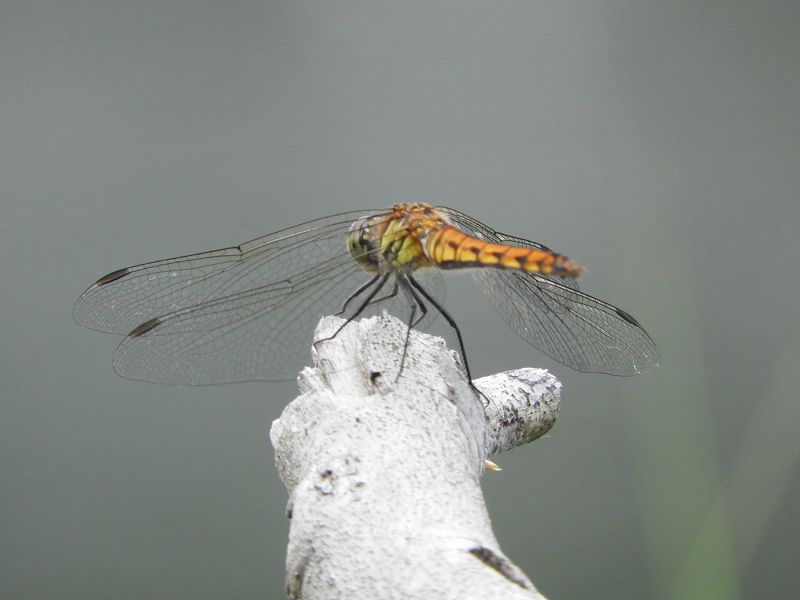
Red-veined Darter
Red-veined Darter
Necessity of Freshwater Pond management
The Pond Management serves to maintain the environment for wild birds, ensuring visibility and prevent transition (land formation) of the pond.
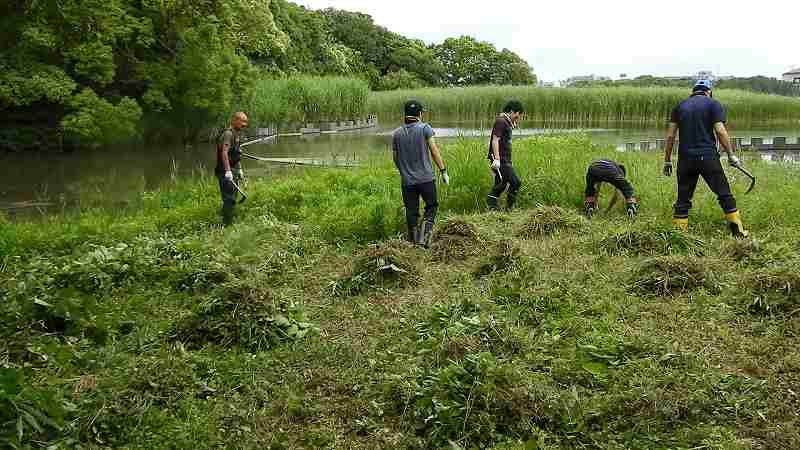
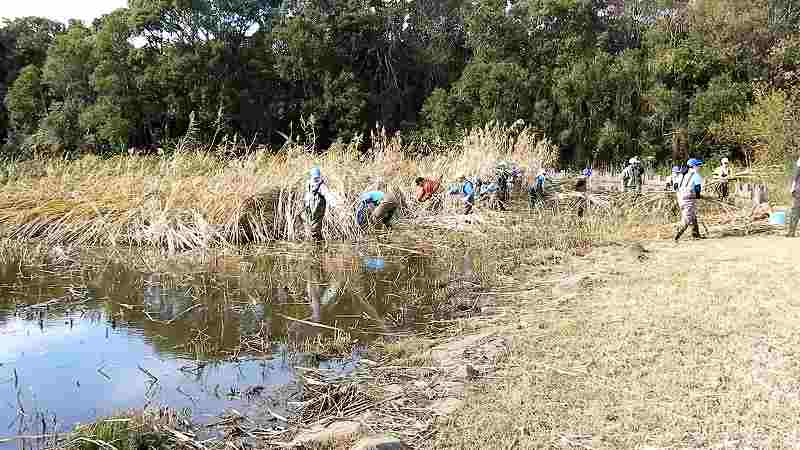
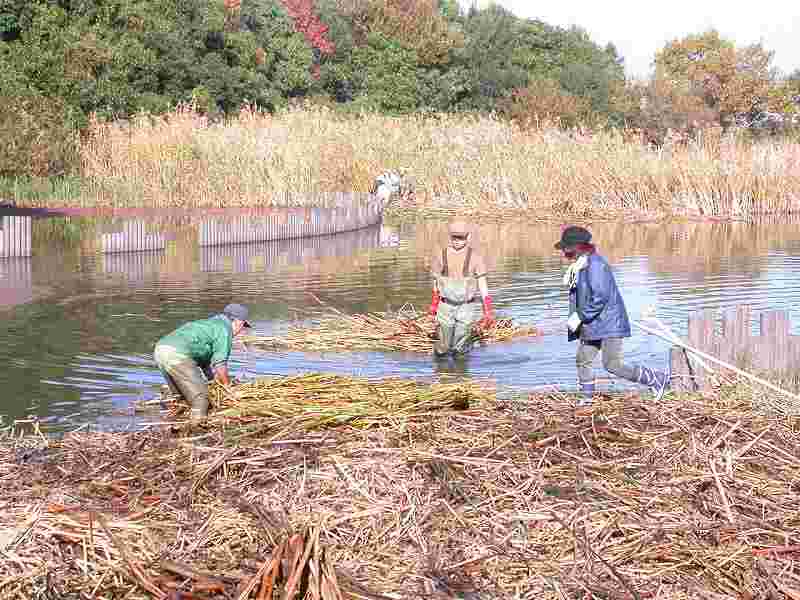
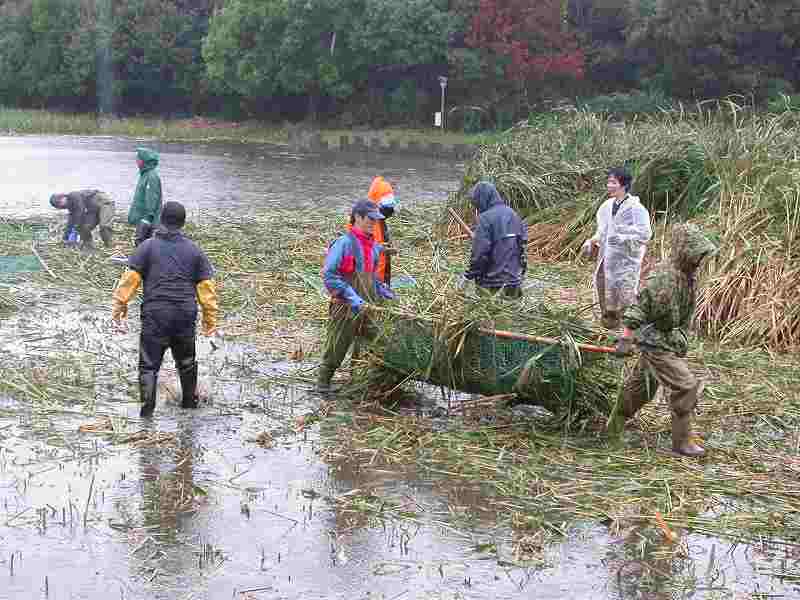
Maintaining bird habitats involves preserving open water surfaces in the pond for feeding, resting, and nesting while sustaining suitable plant communities. Ensuring visibility means maintaining clear sightlines to facilitate bird observation, fulfilling the Yatsu-higata Nature Observation Center's purpose as a wildlife viewing facility. Pond Management entails removing cut grass from the pond area rather that leaving it in the water, and conducting full-scale mowing at least once a year.
The persons managing the freshwater pond
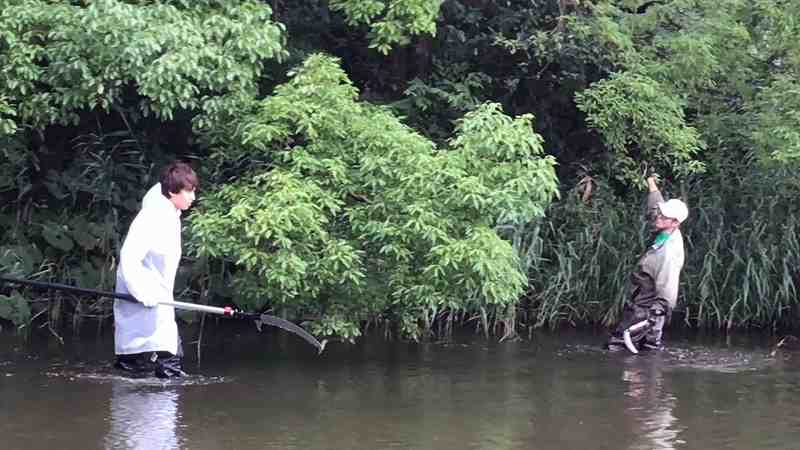
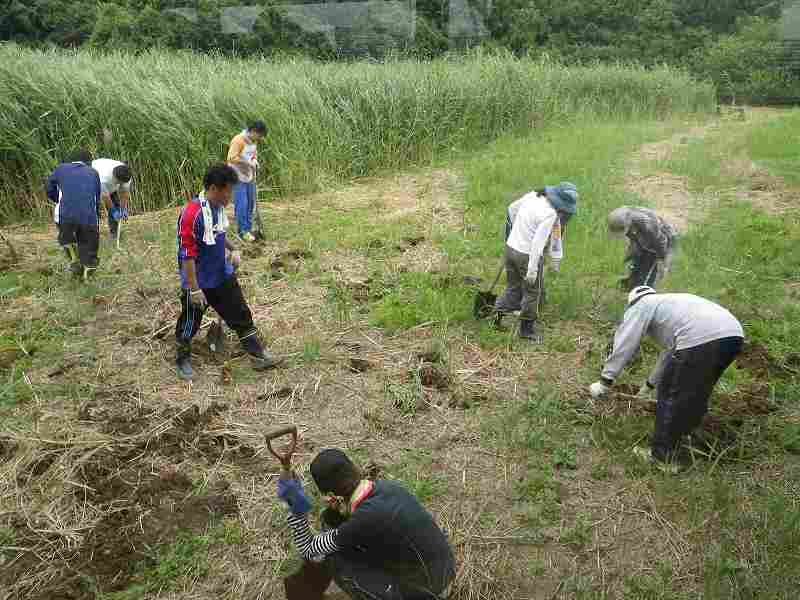
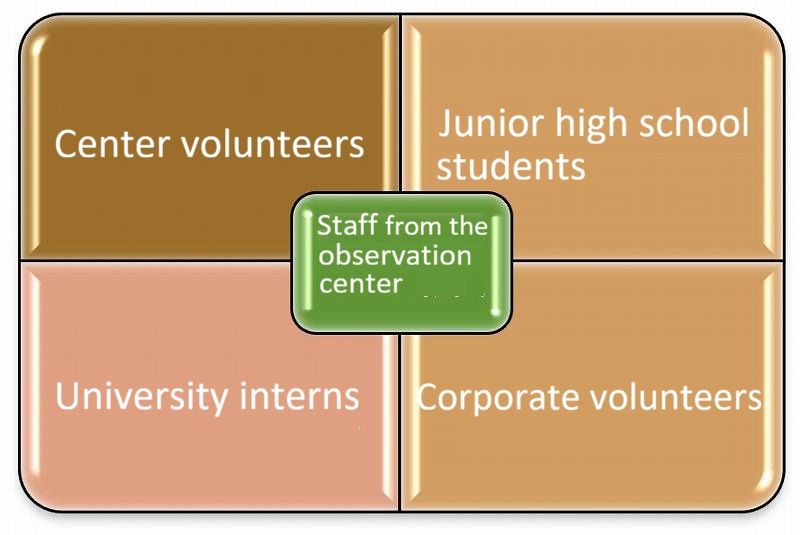
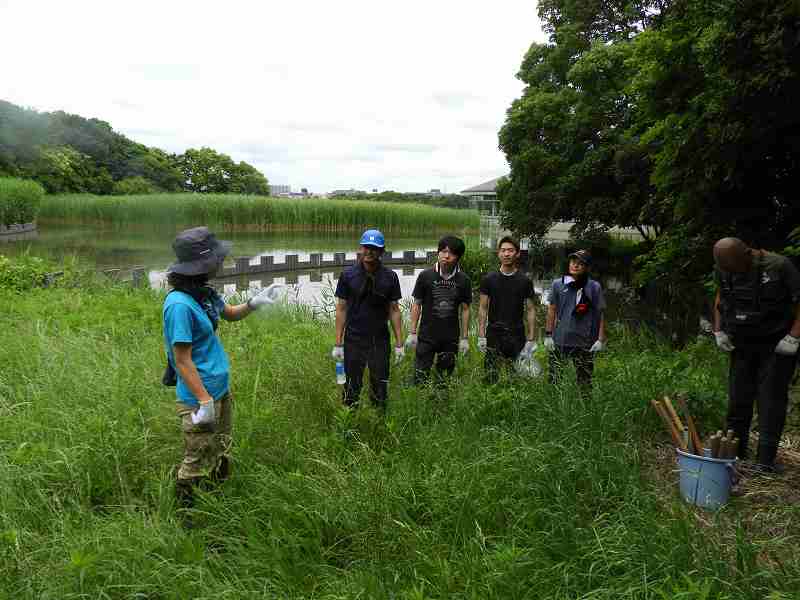
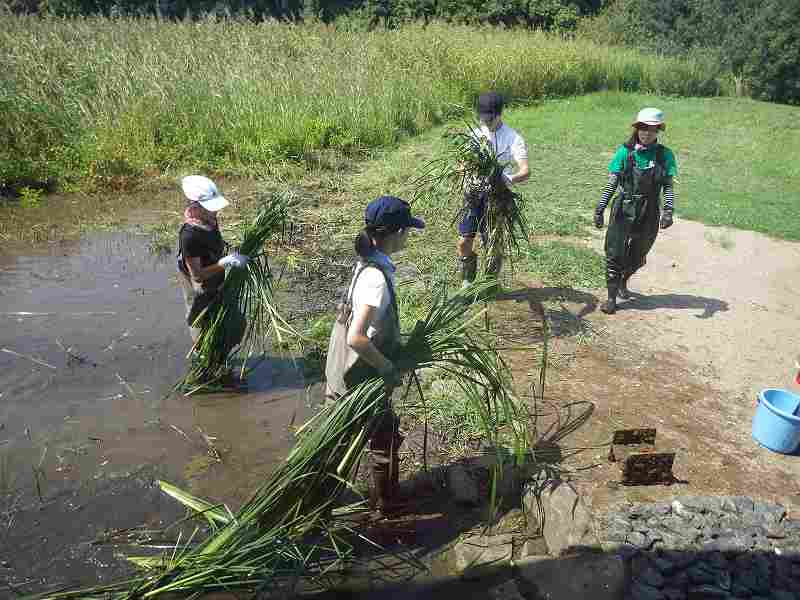
Environmental management tasks for the pond conducted in spring, autumn, and winter are carried out by staff from the observation center, along with center volunteers, junior high school students participating in workplace experience programs, university interns, and corporate volunteers. This provides an excellent opportunity to experience managing natural environments. Approximately 30 times a year, over 200 people participate in pond management tasks.

Weeding

関わり

関わり

Weeding

Weeding

Weeding

Reed cutting

Weeding

The natural environment of the freshwater pond is protected.